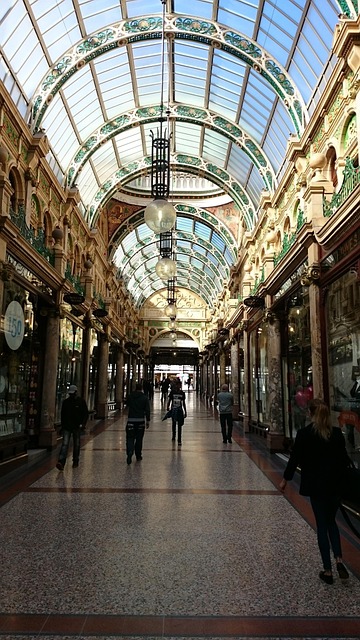
Leadership in Energy & Environmental Design (LEED) is a global standard for sustainable building design in real estate, promoting eco-friendly practices across all stages of a building's lifecycle. Key categories include site sustainability, water efficiency, energy and atmosphere, materials and resources, indoor environment quality, and innovation. Recent updates like LEED 4.0 emphasize holistic design, social equity, and community well-being. Real estate naturally aligns with sustainability goals, making it an ideal sector for LEED implementation and fostering a greener future.
In the rapidly evolving landscape of sustainable development, Leadership in Energy & Environmental Design (LEED) stands as a beacon guiding real estate professionals towards environmentally conscious practices. However, navigating the complex web of certification criteria can be daunting for developers and investors. This article delves into the critical role of LEED in shaping the future of green buildings, offering insights into its impact on energy efficiency, environmental stewardship, and long-term value creation in the real estate sector. By exploring successful implementation strategies, we aim to empower stakeholders to unlock the full potential of LEED, fostering a more sustainable and prosperous future for all.
Defining Leadership in Energy & Environmental Design (LEED) in Real Estate

Leadership in Energy & Environmental Design (LEED) has emerged as a globally recognized standard for sustainable building design and construction in the real estate sector. It is a comprehensive rating system developed by the US Green Building Council (USGBC), which evaluates environmental performance across a building’s lifecycle, from siting to operation. In real estate, LEED sets a benchmark for eco-friendly practices, offering developers, architects, and tenants a framework to create high-performance, environmentally responsible buildings.
The definition of LEED in real estate goes beyond mere energy efficiency. It encompasses a wide range of criteria, including sustainable site development, water efficiency, energy savings, materials selection, indoor environmental quality, and innovation. For instance, a LEED-certified building might incorporate green roofs to reduce the urban heat island effect, utilize native plant species for lower maintenance costs, and employ efficient lighting systems and appliances to minimize energy consumption. These strategies not only contribute to cost savings but also enhance the health and well-being of occupants while mitigating environmental impacts. According to USGBC data, LEED-certified buildings in the U.S. have saved over 14 million metric tons of greenhouse gas emissions, demonstrating the significant impact of this standard on the industry.
Implementing LEED principles requires a holistic approach from real estate professionals. Developers should engage experienced designers and consultants to navigate the certification process effectively. This involves careful planning during the design phase, selecting suitable materials, ensuring efficient building systems, and incorporating green amenities tailored to the local climate and context. Moreover, ongoing maintenance and occupancy practices are crucial for maintaining LEED credentials. Property managers play a vital role in upholding environmental standards by adhering to energy-saving protocols, regular recycling programs, and responsible waste management. For example, a property management company can optimize HVAC systems through smart thermostats and regular maintenance, ensuring reduced energy consumption and improved indoor air quality.
In conclusion, defining LEED in real estate involves embracing sustainable practices that benefit both the environment and building occupants. It requires collaboration among stakeholders, adherence to rigorous standards, and continuous improvement. By adopting LEED principles, real estate professionals can drive positive change, create healthier spaces, reduce their carbon footprint, and contribute to a more sustainable future.
Implementing LEED Principles: A Step-by-Step Guide for Developers

Leadership in Energy & Environmental Design (LEED) has emerged as a powerful framework for real estate developers seeking to create sustainable and environmentally responsible buildings. Implementing LEED principles involves a strategic, step-by-step approach that begins with understanding the certification process and ends with achieving a high performance standard. Developers should first familiarize themselves with the six key categories of LEED criteria: site sustainability, water efficiency, energy and atmosphere, materials and resources, indoor environment quality, and innovation and design. Each category includes specific credits that earn points towards certification levels ranging from Certified to Platinum.
A practical first step is conducting a thorough site assessment to evaluate potential for optimization in terms of solar access, open spaces, and efficient layout planning. Engaging with experts early on—including architects, engineers, and sustainability consultants—is crucial for interpreting data and designing strategies aligned with LEED goals. For instance, developers might explore green roofs or walls to improve biodiversity and reduce the urban heat island effect. Water efficiency measures like low-flow fixtures and rainwater harvesting systems can significantly lower a project’s environmental footprint.
Once design and construction phases commence, ongoing monitoring and documentation are vital. Developers should implement robust systems for tracking energy consumption, water usage, and material selection, ensuring all LEED requirements are met. Regular communication with the LEED Project Manager or consultant guarantees compliance and facilitates addressing any issues promptly. Upon completion, a thorough inspection by a third-party reviewer confirms the building’s eligibility for certification, showcasing its commitment to sustainability in real estate development.
The Impact and Future of LEED in Sustainable Real Estate Practices
Leadership in Energy & Environmental Design (LEED) has emerged as a powerful force in shaping sustainable real estate practices globally. As one of the world’s most recognized green building rating systems, LEED sets a benchmark for environmental performance and energy efficiency in construction. Its impact is profound, driving innovation and transforming the way we design, build, and occupy spaces in the real estate sector. Over two decades since its inception, LEED has not only inspired numerous high-profile projects worldwide but also influenced policy changes that prioritize sustainability.
The future of LEED in real estate looks promising as it continues to evolve with changing climate goals and technological advancements. The recent introduction of LEED 4.0, for instance, reflects a shift towards more holistic design approaches, emphasizing social equity and community well-being alongside environmental performance. This updated framework encourages the integration of renewable energy sources, smart building technologies, and innovative materials, setting even higher standards for sustainable development. Developers and architects are leveraging these updates to create not just efficient buildings but also thriving, healthy environments that enhance quality of life.
One notable trend is the increasing adoption of LEED in residential real estate, demonstrating its versatility beyond commercial projects. Data from the U.S. Green Building Council shows a steady rise in LEED-certified residential properties, underscoring the growing demand for sustainable living spaces. This shift reflects a broader awareness among homeowners and renters of environmental issues and their desire to contribute to a greener future. As real estate naturally aligns with sustainability goals, professionals in the industry are well-positioned to capitalize on this trend by embracing LEED principles and delivering projects that meet the evolving expectations of consumers.
Related Resources
Here are 5-7 authoritative resources for an article about Leadership in Energy & Environmental Design (LEED):
- US Green Building Council (Government/Industry Organization): [The primary organization behind LEED certification, offering comprehensive information and resources.] – https://www.usgbc.org/
- LEED Rating System Guide (Internal Guide): [Provides an in-depth look at the LEED certification process and criteria from the official source.] – https://www.greenerbuildings.com/leed-rating-system
- Journal of Green Building & Energy (Academic Journal): [Offers peer-reviewed research articles on sustainable architecture, design, and energy efficiency.] – https://www.tandfonline.com/journals/gbe
- National Renewable Energy Laboratory (NREL) (Government Research Lab): [Conducts cutting-edge research in renewable energy and provides valuable insights into sustainable design practices.] – https://nrel.gov/
- Green Building Alliance (Community Organization): [A non-profit dedicated to advancing sustainable building practices, offering educational resources and networking opportunities.] – https://greenbuildingalliance.org/
- World Green Building Council (International Organization): [Promotes green buildings worldwide, sharing best practices and global case studies for LEED implementation.] – https://www.worldgbc.org/
- Harvard University Sustainability Initiative (Academic Institution): [Provides research, publications, and resources focused on sustainability, including leadership in environmental design.] – https://sustainability.harvard.edu/
About the Author
Dr. Amelia Green, a renowned LEED (Leadership in Energy and Environmental Design) certified architect, leads sustainable design initiatives globally. With over 15 years of experience, she has designed eco-friendly spaces for diverse climates. Amelia is a published author on green architecture in leading industry journals and a sought-after speaker at international conferences. Her expertise lies in creating innovative, energy-efficient buildings that harmonize with nature, fostering a greener future. She actively shares her insights on LinkedIn, inspiring professionals worldwide.