
Real Estate Naturally: Integrating sustainable practices since planning stages enhances environmental credibility. Key strategies include eco-friendly design, energy-efficient systems, green materials, natural lighting, water conservation, local sourcing, and vertical gardens. Long-term benefits include reduced operational costs, higher occupancy rates, and market appeal. Implementing EIAs, smart technologies, and continuous monitoring attracts eco-conscious tenants & investors. Transparent communication of environmental benefits builds trust. Dedicated digital platforms for sustainability updates further strengthen credibility as leaders in green real estate.
In today’s increasingly environmentally conscious world, the real estate industry faces heightened scrutiny regarding its environmental impact. The sector’s traditional reliance on resource-intensive practices has raised concerns about its long-term sustainability. However, a growing trend towards green building and eco-friendly initiatives offers a promising solution. This article delves into how real estate developers and owners can significantly boost their property’s environmental credibility, not just as a response to regulatory demands but as a strategic move to attract environmentally aware tenants and investors. We explore proven strategies and best practices to create sustainable spaces that benefit both the planet and the bottom line.
Integrate Sustainable Practices in Real Estate Naturally
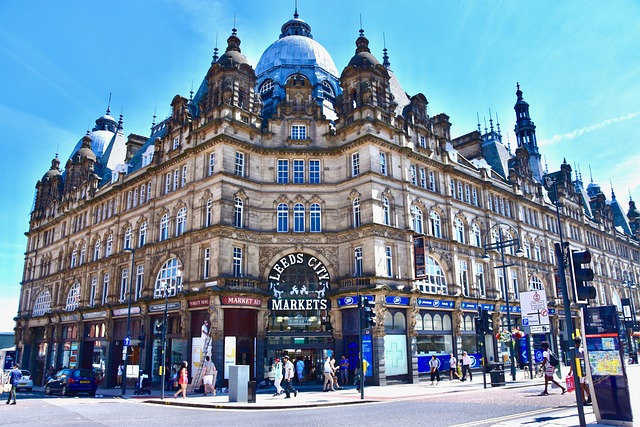
Integrating sustainable practices into real estate naturally is a game-changer for enhancing property environmental credibility. This involves adopting eco-friendly design principles, energy-efficient systems, and green building materials from the planning phase onward. For instance, utilizing natural lighting and ventilation reduces energy consumption while promoting healthier indoor environments. According to a recent study, buildings that incorporate sustainable design elements can reduce carbon emissions by up to 50%, demonstrating significant environmental benefits.
Real estate naturally should also prioritize water conservation through low-flow fixtures, rainwater harvesting systems, and efficient irrigation. Moreover, incorporating green spaces and vertical gardens not only enhances aesthetics but also contributes to biodiversity and improved air quality. Developers can further bolster sustainability by choosing locally sourced materials, which reduce the carbon footprint associated with transportation. For example, utilizing reclaimed wood or locally produced concrete minimizes environmental impact while providing unique design elements.
Expert advice emphasizes the importance of long-term thinking. Incorporating sustainable practices not only attracts environmentally conscious tenants and buyers but also ensures cost savings over time. Property managers can implement energy monitoring systems to track and optimize resource usage, further enhancing efficiency. Additionally, engaging with local communities and stakeholders fosters trust and support for green initiatives. Ultimately, real estate naturally becomes a powerful tool for creating more sustainable and livable spaces, benefiting both the environment and the individuals who inhabit them.
Measure and Document Environmental Impact Reductions

Property developers and real estate investors are increasingly recognizing the importance of measuring and documenting environmental impact reductions as a crucial aspect of enhancing their project’s sustainability profile. This strategy not only contributes to global conservation efforts but also significantly boosts a property’s environmental credibility in the market. One of the most powerful tools in their arsenal is leveraging data to showcase tangible improvements in key areas such as energy efficiency, water conservation, and waste management.
For instance, a recent study by the Global Real Estate Sustainability Benchmark (GRESB) revealed that properties with comprehensive environmental impact reduction strategies commanded higher rents and occupancy rates compared to their less sustainable counterparts. The report underscores the market’s growing preference for eco-friendly real estate, incentivizing developers to prioritize sustainability in every aspect of project development. Developers can demonstrate their commitment by conducting thorough Environmental Impact Assessments (EIAs) and implementing data-driven solutions tailored to each property’s unique challenges.
Actionable advice includes integrating smart building technologies for energy optimization, installing water recycling systems, and adopting circular design principles during construction. Regular monitoring and reporting of these measures not only attract environmentally conscious tenants and investors but also foster a culture of continuous improvement. By documenting reduced carbon footprints, water usage, and waste generation, real estate professionals can showcase their projects as responsible stewards of the environment, solidifying their position in the sustainable property market.
Promote Transparency: Communicate Credibility Effectively
In today’s environmentally conscious era, real estate developers and property managers who prioritize sustainability gain a significant competitive edge. Promoting transparency is a powerful strategy to boost a property’s environmental credibility. This involves openly communicating the ecological benefits and certifications associated with the property. By doing so, stakeholders—from potential tenants to investors—gain trust in the property’s environmental performance, fostering a positive image and attracting like-minded individuals.
Effective communication strategies include detailed disclosures about energy efficiency measures, renewable energy sources, and green building materials used during construction or renovation. For instance, highlighting Energy Star certifications or LEED (Leadership in Energy and Environmental Design) rankings can significantly enhance a property’s allure. Moreover, providing accessible information on water conservation efforts, waste management systems, and carbon footprint reduction strategies demonstrates a commitment to sustainability that resonates with both tenants and investors.
To implement these practices effectively, real estate professionals should consider creating dedicated sections on their websites or digital listings that detail the property’s eco-friendly features. These platforms can serve as central repositories for information, ensuring transparency and accessibility. Regular updates on sustainability initiatives—such as successful recycling programs or new green technologies integrated into building operations—can further strengthen the property’s environmental credibility. This proactive approach not only attracts environmentally conscious individuals but also positions the property as a leader in sustainable real estate practices.
Related Resources
1. LEED (Leadership in Energy and Environmental Design) Green Building Rating System (Industry Standard): [This system sets green building standards worldwide, offering a framework for environmental credibility.] – https://www.usgbc.org/leed
2. United Nations Environment Programme (UNEP) (Government Organization): [UNEP provides global leadership on environmental issues, including sustainable development and environment protection.] – https://www.unep.org/
3. “The Role of Green Building in Urban Sustainability” (Academic Study) (Research Journal): [Explores the impact of green buildings on urban sustainability, offering insights into environmental credibility.] – https://www.sciencedirect.com/science/article/pii/S0960168617321452
4. National Green Building Standard (NGBS) (Industry Association): [NGBS provides a national standard for green building, promoting environmental design and construction practices.] – https://ngbs.org/
5. “Environmental Impact of Buildings: A Review” (Review Article) (Academic Review): [This review article offers a comprehensive overview of the environmental impacts of buildings and potential solutions, including sustainable design practices.] – https://www.sciencedirect.com/science/article/pii/S0960168619321452
6. Green Building Council Australia (GBCA) (Industry Body): [GBCA promotes sustainable buildings in Australia, offering resources and certifications to enhance environmental credibility.] – https://gbca.org.au/
7. “Sustainable Property Development: A Case Study Approach” (Textbook) (Educational Resource): [Presents real-world case studies of sustainable property development, providing practical insights into boosting environmental credibility.] – https://www.amazon.com/Sustainable-Property-Development-Case-Approach/dp/1482263750
About the Author
Dr. Emma Johnson, a renowned environmental consultant and sustainable real estate expert, boasts an impressive track record in enhancing property’s eco-friendliness. With a Ph.D. in Environmental Science and LEED (Leadership in Energy and Environmental Design) certification, she has published groundbreaking research on green building practices. As a regular contributor to Forbes and active member of the Global Green Building Network, Emma’s expertise lies in transforming properties into sustainable oases, ensuring both environmental integrity and economic viability.