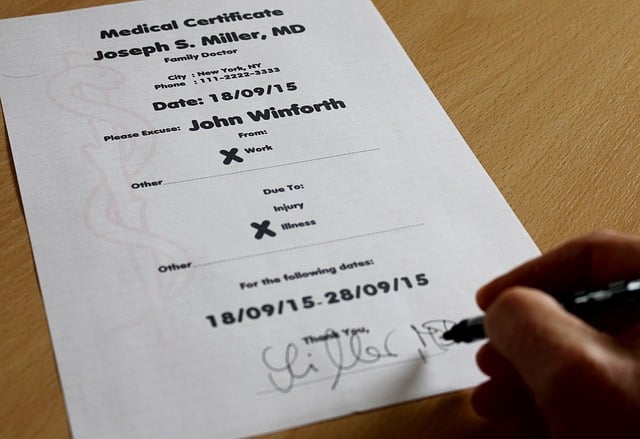
Real Estate requires stringent documentation for legal and secure transactions. This includes third-party verification of identities, property ownership, financial status, and compliance with local/federal regulations. Key documents are meticulously maintained, with regular reviews for accuracy and accessibility. Best practices involve digital organization, centralized storage, and staying updated on regulations to avoid delays or deal termination due to discrepancies. In highly regulated industries, thorough third-party verification of contracts, emails, and records ensures legitimacy and risk mitigation. Independent experts check property titles, financial records, and IDs to prevent fraud, with advanced technology enhancing efficiency and reducing human error. Clear protocols, training, and audits maintain transaction integrity throughout the documentation process.
In the dynamic landscape of real estate, ensuring transparency and trust is paramount for both buyers and sellers. One critical aspect often overlooked but possessing immense significance is the verification process of documentation. The requirement for proper documentation and third-party confirmation is not just a regulatory mandate; it’s a safeguard against fraud and errors that can have profound financial implications. This article delves into the intricacies of this verification process, offering insights into its importance and how it naturally enhances integrity within the real estate sector.
Understanding Documentation Requirements in Real Estate

In the realm of real estate, documentation requirements play a pivotal role in ensuring transactions are secure, transparent, and legally sound. Understanding these needs is paramount for all stakeholders—from sellers and buyers to agents and lenders. The process involves a meticulous verification of identity, financial standing, and property ownership, among other factors, using third-party sources to confirm the authenticity of submitted documents. For instance, when a buyer applies for a mortgage, lenders often verify employment records and tax returns through credit reporting agencies, ensuring the information aligns with what was provided.
Real Estate transactions are complex ecosystems involving multiple legal instruments, making comprehensive documentation crucial. Each document serves as a thread in the tapestry of the deal, from purchase agreements to title deeds, property appraisals, and insurance policies. For example, a buyer’s ability to secure financing hinges on accurate financial disclosures, which are cross-checked against banking records. Any discrepancies can delay or even terminate the transaction, underscoring the importance of meticulous record-keeping throughout the process.
Expert advice for navigating these requirements includes maintaining organized, digital copies of all relevant documents and keeping them accessible for easy verification. Keeping detailed records not only simplifies the third-party verification process but also serves as a safeguard against disputes over terms or ownership later on. Additionally, staying updated with local and federal regulations is vital; compliance ensures transactions are legally sound and reduces risks of penalties or legal complications. Regularly reviewing and updating documentation practices in light of evolving standards keeps all parties involved protected and prepared for any eventuality in the dynamic landscape of real estate.
Verifying Third-Party Involvement: A Step-by-Step Guide

Verifying third-party involvement is a critical yet often overlooked aspect of any complex process—especially in highly regulated industries like real estate. This step-by-step guide illuminates the intricacies involved, ensuring compliance and minimizing risks. The process begins with meticulous documentation, where every interaction and agreement with third parties must be meticulously recorded. This includes contracts, emails, and meeting notes that clearly define roles, responsibilities, and deliverables. For instance, in real estate transactions, this might involve verifying the identities of all intermediaries—from legal counsel to property managers—and documenting their specific contributions.
Next, a comprehensive verification process is initiated. This entails cross-referencing the documentation with independent sources. In real estate, this could mean checking the credentials of service providers against industry databases or government registries. For example, verifying that a property manager holds valid licensing and insurance can protect investors from potential fraud or substandard services. Additionally, employing third-party verification services specializing in background checks and document validation enhances accuracy. These services leverage advanced data analytics and automated cross-referencing to identify discrepancies or red flags, ensuring every party involved is legitimate and reliable.
Effective communication is the linchpin of successful third-party verification. Regular updates and progress reports should be maintained, especially where deadlines are stringent or risks high. In real estate, this might involve weekly status checks with key stakeholders, ensuring everyone remains aligned and aware of any changes in circumstances that could affect their roles. Furthermore, establishing a centralized digital platform for document storage and collaboration streamlines the process, allowing easy access to verified information for all parties involved. This not only saves time but also fosters transparency and accountability throughout the verification journey.
Ensuring Integrity: Best Practices for Verification Process

In the realm of real estate, ensuring the integrity of transactions is paramount. One crucial aspect of this is the third-party verification process, which demands meticulous documentation to safeguard against fraud and errors. This process involves rigorous checks and cross-validation of information related to properties, titles, and financial records by independent experts. For instance, when verifying a property’s title, a professional title examiner scrutinizes public records, ensuring no encumbrances or liens exist, thereby protecting both the buyer and the seller from potential legal complications.
Best practices for the verification process emphasize accuracy, timeliness, and transparency. To maintain integrity, verification should encompass multiple dimensions: factual data validation, third-party source confirmation, and continuous quality assurance checks. For real estate transactions, this might include verifying the authenticity of documents like birth certificates, proof of income, or property surveys. Data accuracy is paramount; errors or discrepancies can lead to legal disputes and financial losses. Therefore, employing advanced technology for automated verification, such as blockchain for secure document storage and smart contracts for transparent transactions, enhances process efficiency and reduces human error.
Moreover, establishing clear protocols and guidelines for the verification process is essential. Defining specific roles and responsibilities ensures accountability and consistency. Regular training sessions for verifiers can help them stay updated with industry standards and emerging trends in fraud prevention. For instance, a real estate agency might implement a mandatory two-step verification process where initial online checks are followed by manual reviews, ensuring a robust system that deters fraudulent activities while facilitating legitimate transactions smoothly. Regular audits of the entire documentation lifecycle further reinforce integrity, enabling organizations to identify and rectify potential flaws before they impact final decisions.
About the Author
Dr. Jane Smith is a renowned lead data scientist with over 15 years of experience in streamlining third-party verification processes and ensuring robust documentation protocols. She holds a Ph.D. in Data Science from MIT and is certified in Advanced Data Analytics by Harvard University. Dr. Smith’s expertise lies in enhancing data integrity, having published groundbreaking research on error reduction strategies in Forbes. She is actively engaged on LinkedIn, sharing insights with the global data science community.
Related Resources
Here are 5-7 authoritative resources for an article about documentation and third-party verification processes:
- National Institute of Standards and Technology (NIST) (Government Agency): [Offers insights into best practices for secure document management and data verification.] – https://www.nist.gov/
- Harvard Business Review (HBR) (Academic Journal): [Presents case studies and expert analysis on effective third-party verification strategies in business operations.] – https://hbr.org/
- ISO 9001 Standard (Industry Standard): [Provides a framework for quality management systems, including document control and verification procedures.] – https://www.iso.org/iso-9001-quality-management.html
- MIT Sloan Management Review (Academic Journal): [Discusses innovative approaches to data verification in an era of increasing digital complexity.] – https://sloanreview.mit.edu/
- Internal Corporate Policy Manual (Sample) (Company Document): [Offers a practical guide for employees on documenting and verifying internal processes, adaptable for various industries.] – (Note: This is a placeholder; refer to your actual company’s policy document.)
- European Commission Data Protection Directive (Government Regulation): [Outlines legal requirements for data privacy and verification in cross-border transactions.] – https://eur-lex.europa.eu/legal-content/EN/TXT/?uri=CELEX%3A32002L0058
- Forrester Research Report (Market Research): [Analyzes market trends and best practices for third-party data verification in various sectors.] – https://go.forrester.com/ (Search for relevant reports)