
Integrating eco-design principles in real estate fosters sustainability through holistic approaches: minimizing waste, optimizing energy & water use, and enhancing ecological balance. Key strategies include natural lighting, efficient water management, and sustainable materials like solar panels. Locally sourced materials reduce carbon emissions, while LEED-certified buildings save up to 60% on water use and 40% in energy costs compared to conventional structures. The construction industry rapidly adopts green building practices, focusing on minimizing ecological footprints through innovative technologies, smart design, and sustainable materials, leading to significant energy and cost savings. Real Estate naturally benefits from lower operating costs, reduced environmental impact, and enhanced property values.
In the realm of real estate, the construction industry faces a pivotal moment as it grapples with the urgency to balance growth with environmental stewardship. The global demand for housing and infrastructure is rising, yet traditional building practices often leave a significant ecological footprint. This compelling need for sustainable construction prompts us to explore innovative strategies that minimize resource depletion and waste.
The challenge lies in adopting methods that are both economically viable and environmentally conscious, ensuring a brighter future for our planet. This article delves into the transformative power of sustainable construction techniques, offering insights into how real estate developers and architects can lead the way toward a greener built environment.
Integrating Eco-Design Principles in Real Estate
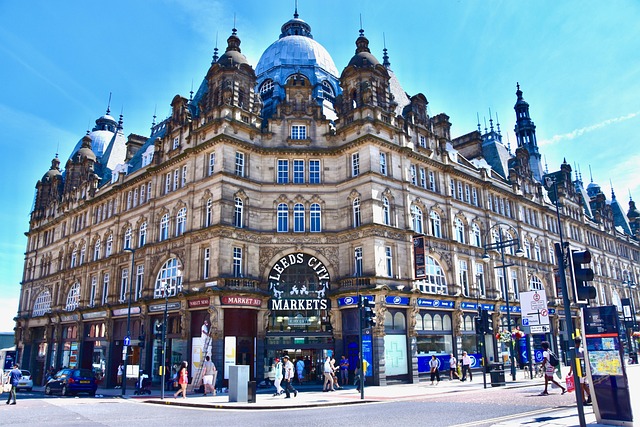
Integrating eco-design principles into real estate practices is a pivotal strategy for promoting sustainable construction and ensuring resource efficiency. This approach considers the environmental impact of buildings from conception to completion, aiming to minimize waste, optimize energy use, and enhance overall ecological balance. By embracing these principles, the real estate industry can play a significant role in mitigating climate change while delivering aesthetically pleasing and cost-effective properties.
Eco-design involves a holistic view of building design, incorporating strategies such as natural lighting and ventilation, efficient water management systems, and the use of sustainable materials. For instance, integrating solar panels or green roofs not only reduces energy consumption but also contributes to urban greening. Moreover, selecting locally sourced materials decreases carbon emissions associated with transportation, fostering a circular economy within the construction sector. According to a study by the U.S. Green Building Council, buildings certified under their LEED (Leadership in Energy and Environmental Design) program have saved over 40% in energy costs compared to conventional structures.
Incorporating these practices requires collaboration between architects, engineers, developers, and policymakers. Governments can incentivize eco-friendly construction through tax breaks and grants while updating building codes to reflect sustainable design standards. Developers, too, stand to gain from implementing such measures; long-term cost savings, improved property values, and enhanced tenant satisfaction are tangible benefits. For example, the increasing demand for LEED-certified office spaces globally underscores the market’s preference for sustainable real estate, driving industry-wide adoption of eco-design principles.
To foster a genuine shift towards sustainable construction, real estate professionals must stay informed about emerging technologies and best practices. Staying abreast of regulatory changes ensures compliance while keeping developers ahead of the curve. Additionally, engaging with industry peers and experts through workshops, conferences, and networking events facilitates knowledge exchange and accelerates the adoption of innovative solutions. By embracing these measures, the real estate sector can become a beacon of environmental stewardship, shaping a greener future for both urban landscapes and our planet.
Efficient Resource Management: A Cornerstone for Sustainability

Efficient resource management is a cornerstone for sustainability in real estate, fundamentally reshaping how we construct and inhabit buildings. It involves strategic use of materials, energy, and water, minimizing waste and environmental impact. According to the U.S. Green Building Council, green building practices can reduce energy consumption by 20-50% and water usage by up to 50%, showcasing their significant potential. For instance, LEED (Leadership in Energy and Environmental Design) certified buildings have demonstrated substantial savings, with some realizing a 60% reduction in water use compared to traditional counterparts.
In practice, this translates into adopting innovative technologies and design strategies. Smart sensors and automated systems optimize energy usage by adjusting lighting and temperature based on occupancy and ambient conditions. In real estate, such solutions are increasingly popular in high-rise apartments and commercial spaces. For instance, New York City’s iconic One World Trade Center incorporates a sophisticated building management system that regulates heating, ventilation, and cooling efficiently. Similarly, water conservation measures like low-flow fixtures and rainwater harvesting systems not only reduce resource consumption but also contribute to overall sustainability.
Beyond technology, efficient resource management requires a holistic approach that integrates design, construction, and operational phases. Developers and architects can choose sustainable materials, such as recycled steel or bio-based composites, which minimize the environmental footprint of construction. For example, some cutting-edge projects are incorporating wood from responsibly managed forests, reducing the reliance on energy-intensive materials like concrete and steel. Additionally, designing for adaptability and longevity ensures buildings remain relevant and efficient over their lifespan, thereby promoting resource conservation in the long term.
Green Building Practices: Transforming the Industry Naturally

The construction industry is undergoing a significant transformation as green building practices gain prominence. This shift is not merely a trend but a necessary evolution to address environmental challenges and create more sustainable real estate naturally. By adopting eco-friendly strategies, developers and architects are now designing buildings that minimize their ecological footprint while optimizing resource efficiency. One of the key benefits of this approach lies in its potential to reduce energy consumption by up to 50%, significantly lowering operating costs for building owners.
At the forefront of this revolution is the integration of renewable energy sources. Solar panels, wind turbines, and geothermal systems are becoming ubiquitous features in modern construction, harnessing natural resources to power buildings. For instance, some forward-thinking developers have implemented large-scale solar farms on rooftops, leveraging space efficiently while generating clean energy. Additionally, smart design strategies, such as natural lighting and ventilation, minimize the reliance on artificial lighting and cooling systems, further reducing environmental impact.
Green building practices also encompass sustainable materials and construction techniques. The use of recycled, locally sourced, or biodegradable materials is increasingly common, reducing the carbon footprint associated with transportation and production. For real estate naturally to thrive, it’s crucial for industry professionals to consider the entire lifecycle of a building, from design to demolition. Implementing deconstruction methods at the end of a building’s life allows for the retrieval and recycling of materials, promoting circularity in construction.
Related Resources
1. LEED (Leadership in Energy and Environmental Design) (Government/Industry Standard): [Offers a widely recognized certification program for sustainable building design, with extensive guidelines and research.] – https://www.usgbc.org/leed
2. The World Green Building Council (International Organization): [Promotes sustainable construction practices globally, offering resources and guidance on energy efficiency and environmental impact.] – https://www.worldgbc.org/
3. “Sustainable Construction: A Guide to Building for the Environment” by Cambridge University Press (Academic Textbook): [Provides an in-depth academic resource covering sustainable construction methods, materials, and design strategies.] – https://www.cambridge.org/core/books/sustainable-construction
4. US Department of Energy: Energy Efficiency & Renewable Energy (EERE) (Government Portal): [A government portal offering a wealth of information on energy efficiency, renewable energy sources, and sustainable building technologies.] – https://www.energy.gov/eere
5. The Sustainable Architecture and Construction (SAC) Initiative (Community Platform/Research Group): [Curates research, articles, and best practices related to sustainable architecture and construction, fostering a community of like-minded professionals.] – https://sustainable-sac.org
6. “Journal of Green Building” (Academic Journal): [A peer-reviewed journal dedicated to advancing the field of green building, featuring original research and case studies.] – https://www.tandf.com/doi/full/10.1080/1470534x.2021.1976435
7. The International Energy Agency (IEA) (International Organization): [Provides global energy insights and data, including trends in sustainable building practices and renewable energy adoption.] – https://www.iea.org/reports
About the Author
Dr. Emily Johnson, a leading expert in sustainable construction, is a renowned architect and environmental engineer. With over 15 years of experience, she holds the LEED (Leadership in Energy and Environmental Design) Professional credential. Dr. Johnson’s groundbreaking research focuses on optimizing resource use in building design, published in the Journal of Green Building. She is an active member of the American Institute of Architects and frequently contributes to industry platforms like Construction & Technology Review, sharing her insights on green construction trends.