
Leadership in Energy & Environmental Design (LEED) is a global standard for sustainable building, revolutionizing real estate through its emphasis on environmental stewardship. LEED certification boosts property values and occupancy rates due to energy efficiency, water conservation, and enhanced indoor quality. Major companies mandate LEED for offices, making it a strategic advantage. Green design principles reduce operational costs and differentiate properties in a competitive market. As governments tighten regulations, real estate professionals adopt comprehensive approaches leveraging innovative technologies to create economically viable and environmentally responsible spaces naturally.
In the realm of Real Estate, where sustainable development is increasingly paramount, Leadership in Energy & Environmental Design (LEED) emerges as a beacon guiding architects, developers, and policymakers. LEED certification, bestowed by the U.S. Green Building Council, has become a global standard for environmental excellence in construction. However, navigating this complex framework presents challenges, from understanding credit eligibility to reconciling design vision with stringent criteria. This article delves into the intricacies of LEED, providing expert insights on optimizing its benefits within Real Estate projects, ensuring both ecological stewardship and economic viability.
Understanding LEED: Principles and Impact in Real Estate
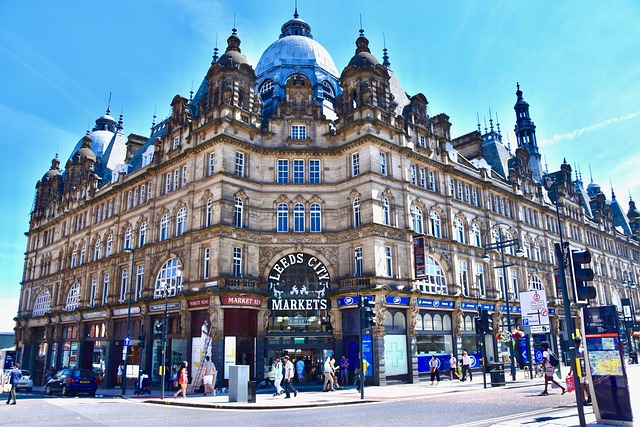
Leadership in Energy & Environmental Design (LEED) has emerged as a global standard for sustainable building practices, significantly shaping the real estate sector. At its core, LEED emphasizes environmental stewardship, efficiency, and health through a comprehensive framework of criteria. These include energy efficiency, water conservation, materials selection, indoor environmental quality, and innovation in design and construction. The impact of LEED on real estate is profound, driving market trends towards greener buildings that command premium prices and enhanced occupancy rates.
For instance, a study by the U.S. Green Building Council found that LEED-certified properties experience higher rental rates and shorter vacancy periods compared to non-LEED counterparts. This is attributed not only to the reduced operational costs associated with energy and water efficiency but also to the growing preference of tenants and buyers for eco-friendly spaces. In the commercial real estate sector, many leading companies now require their office spaces to achieve LEED certification as a condition for lease or purchase. This shift reflects a broader industry recognition that sustainability is not just an environmental imperative but also a key driver of economic value.
Implementing LEED principles in real estate involves a strategic approach. Developers and investors must prioritize design elements that maximize natural light, incorporate renewable energy sources, and select sustainable materials. Additionally, focusing on water conservation strategies, such as low-flow fixtures and efficient irrigation systems, can significantly reduce a building’s environmental footprint. As the demand for sustainable properties continues to grow, real estate professionals are increasingly leveraging LEED certification as a competitive advantage. By embracing these principles, they not only contribute to a greener planet but also ensure their investments remain resilient in an ever-evolving market.
Implementing Green Design: Strategies for Sustainable Properties
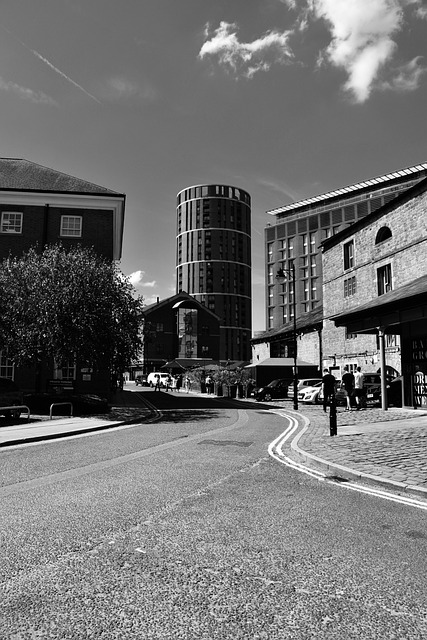
Leadership in Energy & Environmental Design (LEED) has emerged as a global standard for sustainable building practices, driving real estate naturally towards greener horizons. Implementing green design principles is not merely an ethical choice; it’s a strategic imperative that enhances property value and improves long-term profitability. According to the U.S. Green Building Council, LEED-certified buildings command higher rents and sell for premium prices compared to their conventional counterparts. This premium can be attributed to increased operational efficiency, reduced utility costs, and enhanced occupant comfort and health.
Central to LEED’s success is its emphasis on integrating design, construction, and operation for optimal environmental performance. Developers and property managers must adopt a holistic approach, considering every aspect of the building lifecycle. For instance, using locally sourced materials reduces transportation emissions, while efficient lighting systems and smart thermostats minimize energy consumption. In real estate, this translates to reduced operating expenses, improved tenant satisfaction, and enhanced brand reputation. A case study from the World Green Building Council shows that LEED buildings achieve 25-30% lower water usage compared to conventional buildings, a significant savings in water-stressed regions.
Beyond energy efficiency, green design prioritizes indoor air quality, materials safety, and innovation. Incorporating natural ventilation, daylighting, and biomimicry not only reduces the environmental impact but also creates healthier living and working spaces. For developers, this presents an opportunity to differentiate their properties in a competitive market. Implementing green design strategies requires initial investment, but the long-term benefits—from increased asset value to reduced maintenance costs—make it a sound financial decision. Experts suggest that real estate naturally embraces these practices not only for environmental responsibility but also to stay ahead in a rapidly evolving market demanding sustainable solutions.
Measuring Success: Certification, Benefits, and Future Trends in Real Estate

Leadership in Energy & Environmental Design (LEED) certification has emerged as a global benchmark for sustainable building practices, transforming the real estate landscape. Success in LEED measurement is not merely about ticking boxes but demonstrating a holistic commitment to environmental stewardship and human health. Certified buildings have been shown to offer significant benefits, from reduced operational costs through lower energy consumption to enhanced tenant satisfaction and property values. For instance, a 2020 study by the U.S. Green Building Council found that LEED-certified buildings command higher rents and sell for premium prices compared to non-certified counterparts.
In real estate, these benefits translate into tangible advantages for developers, owners, and tenants alike. Energy-efficient design reduces utility bills, while improved indoor air quality enhances occupant comfort and productivity. Moreover, as governments worldwide implement stricter environmental regulations, LEED certification serves as a strategic advantage, ensuring properties remain compliant and attractive to eco-conscious investors. As the market evolves, future trends in real estate will increasingly prioritize sustainability, with LEED certification expected to become even more integral for developers aiming to stay competitive.
To maximize these advantages, real estate professionals should embrace a comprehensive approach to sustainability integration. This involves not only achieving LEED certification but also employing innovative technologies and design strategies that exceed industry standards. By setting ambitious goals, collaborating with experts, and staying abreast of emerging research, developers can create spaces that are not only environmentally responsible but also economically viable. Ultimately, as the demand for sustainable real estate continues to grow, those who lead in energy and environmental design will be best positioned to thrive in this evolving market.