In dynamic real estate market, strategic navigation essential for investors and homeowners. Urban development focuses on sustainable strategies like mixed-use zoning, green infrastructure, and renewable energy integration. Understanding market trends & consumer behavior crucial for real estate agents' success, enabling informed decisions & effective marketing.
In today’s eco-conscious world, the real estate industry is undergoing a green revolution. This article explores the exciting intersection of sustainability and construction, offering insights into how developers and architects are integrating eco-friendly materials, employing efficient land use strategies, and leveraging energy-saving technologies. Discover how these innovative approaches not only benefit the environment but also create healthier, more cost-effective spaces for communities worldwide.
Integrating Eco-Friendly Materials in Real Estate

Efficient Land Use Strategies for Sustainable Development

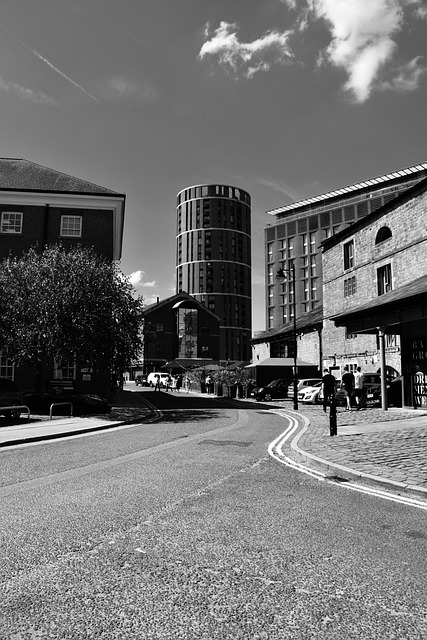
In urban areas, efficient land use strategies play a pivotal role in sustainable development. This involves maximizing space utilization within existing urban boundaries, reducing the need for expansive new developments. Techniques like mixed-use zoning, where residential, commercial, and recreational spaces coexist, promote walkability and reduce transportation emissions. Additionally, implementing green infrastructure, such as vertical gardens and green roofs, not only enhances aesthetics but also improves air quality and mitigates the urban heat island effect.
Smart land use planning includes optimizing building density to minimize lot coverage, preserving open spaces, and incorporating renewable energy sources. By adopting these strategies, real estate developers can create vibrant, resource-efficient communities that cater to evolving urban lifestyles while minimizing environmental footprints. Such practices are essential for achieving long-term sustainability goals in the built environment.
Energy-Saving Technologies: Transforming Real Estate