In real estate naturally, green building standards set by LEED and BREEAM guide sustainable practices throughout a structure's lifecycle, enhancing property value. Certifications like LEED Platinum demand rigorous criteria in water efficiency, renewable energy use, indoor air quality, and material selection. Green buildings command higher occupancy rates and prices, offering long-term financial benefits. The industry standard includes energy-efficient design, water conservation, eco-friendly materials, green spaces, and smart technology. Global trends like green construction methods, smart technology & renewable energy, and nature-inspired design signal a future where real estate naturally prioritizes sustainability for healthier planets and improved living conditions.
In the rapidly evolving landscape of real estate, the industry standard for green buildings stands as a beacon of sustainability and efficiency. As global awareness of environmental concerns grows, the demand for eco-friendly properties has skyrocketed. However, navigating the complex web of certifications and standards can be challenging for developers and investors alike. This article delves into the authoritative guidelines shaping the green building movement, offering valuable insights to professionals seeking to stay ahead in this burgeoning market. By exploring industry-accepted practices, we empower stakeholders to make informed decisions that contribute to a sustainable future.
Understanding Green Building Standards in Real Estate
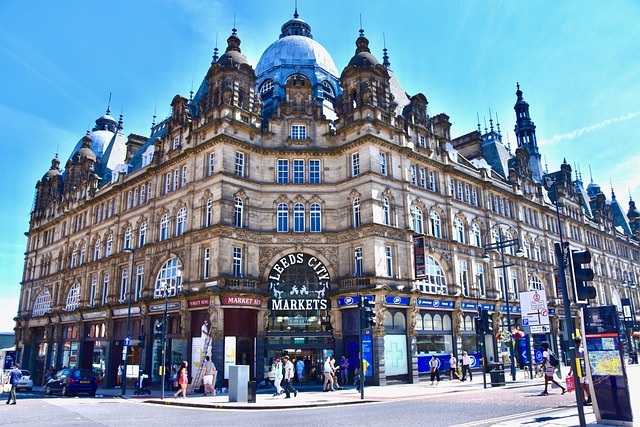
In the real estate sector, understanding green building standards is not just a trend but an industry necessity. Green buildings, certified by organizations like LEED (Leadership in Energy and Environmental Design) or BREEAM (Building Research Establishment Environmental Assessment Method), have become benchmarks for sustainable practices. These standards assess a structure’s environmental impact throughout its lifecycle, from design and construction to operation and disposal. In real estate, this translates into energy-efficient systems, eco-friendly materials, and innovative designs that minimize environmental footprints while enhancing property value.
For instance, LEED certification considers criteria such as water efficiency, renewable energy use, indoor air quality, and materials selection. A building aiming for LEED Platinum status must meet rigorous requirements for all these categories, making it a highly sought-after asset in the market. According to a U.S. Green Building Council report, LEED-certified buildings have higher occupancy rates and command higher rents or sales prices compared to their conventional counterparts. In real estate, this translates into significant financial benefits over the long term.
Real estate professionals play a pivotal role in promoting green building standards. They can drive market demand by prioritizing sustainable properties, encouraging developers to invest in green technologies, and educating buyers about the economic and environmental advantages. Additionally, integrating green buildings into investment strategies not only aligns with global sustainability goals but also ensures future-proof assets that cater to evolving consumer preferences. By embracing these standards, real estate stakeholders can contribute to a more sustainable built environment while reaping tangible benefits.
Key Components for Sustainable Construction Practices

The industry standard for green buildings lies in integrating key components of sustainable construction practices, which not only minimize environmental impacts but also enhance real estate values. One of the fundamental aspects is energy efficiency through strategic design and cutting-edge technology. Buildings should be well-insulated, leveraging natural ventilation to reduce reliance on air conditioning. Solar panels and other renewable energy sources can further lower carbon footprints while increasing the property’s appeal.
Water conservation is another critical component. Rainwater harvesting systems, efficient fixtures, and greywater recycling are effective strategies that have gained traction in many sustainable projects. These innovations not only preserve this precious resource but also contribute to significant cost savings over time. Moreover, selecting eco-friendly materials for construction is essential. Recycled or locally sourced materials reduce the energy required for transportation, while products with lower volatile organic compound (VOC) emissions improve indoor air quality.
Green spaces and natural light are often overlooked yet valuable assets in sustainable real estate. Incorporating green roofs, vertical gardens, and ample windows not only promotes biodiversity but also enhances the well-being of occupants. Studies have shown that buildings incorporating these features command higher rental rates and sell for premium prices. Lastly, integrating smart technology allows for efficient management of energy, water, and waste, ensuring continuous optimization and further contributing to sustainability goals. Implementing these key components ensures that green buildings are not only environmentally responsible but also economically viable in the dynamic real estate market.
Global Trends Shaping Eco-Friendly Real Estate Future

The global real estate sector is undergoing a significant transformation as the industry standard for green buildings gains momentum. This shift is driven by growing environmental consciousness, stringent regulatory frameworks, and the recognition of sustainable practices’ economic benefits. Recent trends indicate a marked increase in eco-friendly construction methods, with countries worldwide setting ambitious targets to reduce carbon footprints. For instance, China’s “Doubling Down on Green” initiative aims to achieve carbon neutrality by 2060, spurring innovative green building projects across the country. Similarly, the European Union’s Building Regulation focuses on energy efficiency, phasing out fossil fuels in buildings by 2050.
One prominent global trend is the integration of smart technology and renewable energy sources into real estate development. Smart buildings equipped with IoT devices optimize energy use, water management, and indoor air quality, enhancing occupant comfort while reducing operational costs. Solar panels, wind turbines, and geothermal systems are becoming ubiquitous features in new constructions, contributing to off-grid energy generation and minimizing the industry’s carbon emissions. For example, the Masdar City project in Abu Dhabi aims to be a zero-carbon, zero-waste urban center, setting a benchmark for sustainable real estate development worldwide.
The future of eco-friendly real estate also lies in nature-inspired design and materials. Biophilic architecture, which incorporates natural elements into building designs, is gaining traction as a way to improve indoor environments and foster well-being among occupants. Additionally, the use of sustainable materials such as bamboo, recycled steel, and bio-based composites reduces the environmental impact of construction while offering aesthetically pleasing alternatives to conventional building materials. As consumers become more conscious of their ecological footprint, real estate developers are expected to prioritize these eco-friendly approaches, ensuring a healthier planet for future generations.