
In real estate, embracing green building standards is essential due to global sustainability initiatives promoting eco-friendly practices. Certifications like LEED encourage developers to create environmentally responsible properties, benefiting both the environment and business success. The industry leads a global shift towards green buildings with certifications like LEED and BREEAM, integrating renewable energy and smart technologies to reduce carbon emissions and operational costs. This commitment enhances biodiversity, air quality, and urban heat mitigation. Buyers and sellers can navigate bustling markets using innovative tools for successful transactions.
In today’s eco-conscious world, green buildings are reshaping the real estate landscape. This article explores the industry standard for sustainable construction, delving into key standards like LEED (Leadership in Energy and Environmental Design) and BREEAM (Building Research Establishment Environmental Assessment Method). We examine leading industry initiatives promoting eco-friendly properties and highlight the growing market trends and benefits of these structures. Understanding green building standards is crucial for investors, developers, and tenants alike in the dynamic real estate sector.
Understanding Green Building Standards in Real Estate
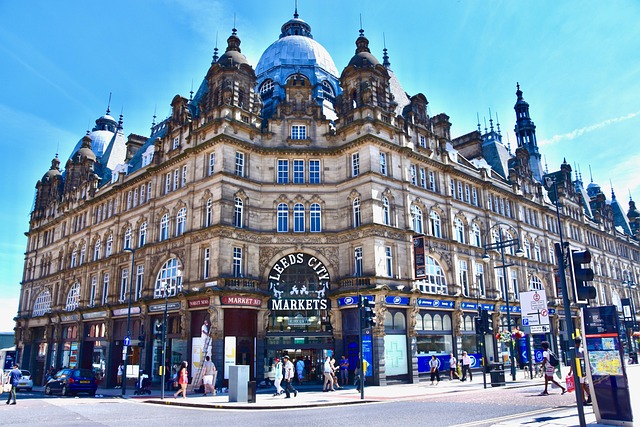
In the dynamic realm of Real Estate, understanding and adhering to green building standards has become paramount. These standards, driven by a global push for sustainability, encompass various eco-friendly practices and technologies aimed at minimizing environmental impact. From energy-efficient design to the use of sustainable materials, these guidelines are reshaping how properties are developed and managed.
Real Estate professionals must stay abreast of industry evolutions, as green building certifications like LEED (Leadership in Energy and Environmental Design) set benchmarks for ecological responsibility. By embracing these standards, developers and landlords not only contribute to a greener planet but also offer tenants enhanced living and working environments, fostering a positive feedback loop that benefits both the environment and business bottom lines.
Key Industry Initiatives for Sustainable Properties

The real estate industry has witnessed a significant shift towards embracing green buildings, driven by a growing awareness of environmental sustainability and energy efficiency. Key Industry Initiatives for Sustainable Properties involve adopting internationally recognized standards such as LEED (Leadership in Energy and Environmental Design) and BREEAM (Building Research Establishment Environmental Assessment Method). These certifications ensure that buildings meet stringent criteria for design, construction, and operation that minimize their ecological footprint.
Additionally, real estate developers and property managers are increasingly integrating renewable energy sources, smart building technologies, and water conservation strategies into their projects. The integration of solar panels, wind turbines, and efficient lighting systems not only reduces carbon emissions but also lowers operational costs for tenants. Moreover, green infrastructure like green roofs and vertical gardens enhance biodiversity, improve air quality, and mitigate the urban heat island effect, further solidifying the industry’s commitment to sustainable practices.
Benefits and Market Trends in Eco-Friendly Structures