
Real Estate Naturally emphasizes sustainable construction practices for environmental responsibility and economic benefits. Key strategies include low-flow fixtures, natural lighting optimization, green roofs, and renewable energy integration (solar, geothermal) with locally sourced materials. Comprehensive planning utilizes smart building technologies, vertical gardens for enhanced aesthetics and energy efficiency. Future trends in Real Estate Naturally focus on prefabricated construction, IoT for intelligent energy management, and smart cities technology to reduce waste and create resilient urban centers.
The global real estate sector faces a critical juncture as the demand for sustainable construction practices grows increasingly urgent. The traditional model of building has been characterized by extensive resource consumption and environmental impact, prompting a need to embrace smarter, more eco-conscious approaches. This article delves into the challenges posed by the current industry standards and presents innovative strategies to foster sustainable development in real estate. We explore how resource-smart construction not only minimizes environmental degradation but also offers long-term economic benefits, setting the stage for a greener and more prosperous future.
Embracing Green Design in Real Estate Naturally
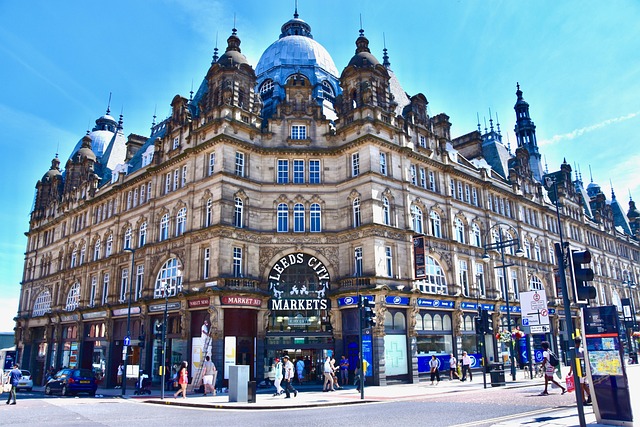
Embracing Green Design in Real Estate Naturally is a critical strategy for promoting sustainable construction practices. The concept revolves around integrating eco-friendly principles into every stage of real estate development, from design to completion and beyond. By adopting green design, developers and architects can significantly reduce the environmental footprint of buildings while enhancing their economic value. For instance, using locally sourced materials and energy-efficient fixtures not only diminishes carbon emissions but also contributes to a more robust local economy.
One of the key advantages of green design in real estate naturally is its potential to create healthier living spaces. Incorporating natural lighting, proper ventilation, and the use of non-toxic materials can lead to improved air quality and reduced indoor pollution. Research indicates that occupants of green buildings often report higher levels of satisfaction and productivity. Moreover, these structures tend to have lower operational costs due to enhanced energy efficiency, making them more cost-effective in the long term. For example, buildings certified by LEED (Leadership in Energy and Environmental Design) have been shown to have occupancy rates 10–15% higher than their conventional counterparts.
Implementing sustainable design doesn’t have to be complex or expensive. Simple changes like installing low-flow fixtures, using smart thermostats, and optimizing natural lighting can make a substantial difference. Developers can also explore innovative solutions such as green roofs, which provide insulation, reduce the urban heat island effect, and create habitats for local wildlife. Additionally, engaging with experts in sustainable architecture and construction can offer valuable insights into best practices and emerging technologies that promote resource-smart development. By embracing these strategies, real estate naturally becomes a powerful tool for creating environmentally responsible spaces that benefit both people and the planet.
Efficient Resource Use: A Cornerstone for Sustainability

In the realm of construction, efficient resource use stands as a cornerstone for achieving sustainability in real estate naturally. This approach not only minimizes environmental impact but also offers significant long-term economic benefits. According to recent studies, the construction sector accounts for approximately 40% of global energy consumption and 30% of carbon emissions, underscoring the urgency for resource-smart practices. By adopting sustainable methods, developers and architects can reduce waste, lower operational costs, and contribute to a greener future.
One practical insight is the integration of renewable energy sources. Solar panels, wind turbines, and geothermal systems not only decrease reliance on fossil fuels but also provide long-term savings. For instance, buildings equipped with solar panels have been shown to save up to 70% on energy costs over their lifetime. Moreover, using locally sourced materials can further enhance sustainability. Local suppliers often have lower transportation emissions, reducing the overall carbon footprint of a project. A case in point is the increasing popularity of wood from sustainable forests, which offers both aesthetic appeal and environmental responsibility.
Expert perspective emphasizes the importance of comprehensive planning and design. Efficient resource use should be considered at every stage of development. This includes implementing smart building technologies like energy-efficient lighting systems and advanced HVAC (heating, ventilation, and air conditioning) controls. These innovations can significantly reduce energy consumption without compromising comfort or performance. Additionally, incorporating green roofs and vertical gardens not only enhances aesthetics but also provides insulation, reduces urban heat islands, and improves air quality. These practices demonstrate that sustainable construction is not just an environmental imperative but also a strategic business decision in the real estate sector.
Innovative Construction Practices for a Brighter Future

The future of construction lies in innovative practices that prioritize sustainability and resource efficiency. As the global real estate sector faces increasing pressure to reduce its environmental footprint, architects, engineers, and builders are exploring cutting-edge solutions. These include embracing renewable energy sources, implementing smart building technologies, and adopting circular design principles. For instance, integrating solar panels and wind turbines into residential and commercial buildings not only reduces carbon emissions but also lowers operating costs for homeowners and businesses.
One notable example is the rise of prefabricated construction methods, which offer significant advantages over traditional on-site building. Prefabs allow for precise manufacturing in a controlled environment, reducing waste and ensuring higher quality control. Once assembled, these structures can be quickly installed, minimizing disruption to surrounding communities. Moreover, modular design enables buildings to be easily reconfigured or deconstructed, promoting flexibility and adaptability in an ever-changing urban landscape. This approach aligns with the growing trend towards urban renewal, where revitalizing existing spaces becomes more sustainable than constant expansion.
In addition to these practices, smart cities initiatives are transforming real estate development. By integrating Internet of Things (IoT) technology, buildings can become responsive ecosystems that optimize energy usage, water management, and waste reduction. For instance, intelligent lighting systems adjust according to natural light availability, while advanced HVAC (heating, ventilation, and air conditioning) systems regulate indoor environments efficiently. These technologies not only enhance the comfort and livability of spaces but also contribute to overall resource conservation. As cities continue to grow, adopting such innovations will be crucial in creating sustainable, resilient urban centers for generations to come.