
In real estate, a deep understanding of legal documentation is vital for successful transactions. Key documents include property titles, appraisal reports, and title searches by third-party professionals to ensure authenticity and validity. Third-party verification is essential for document integrity, protecting all parties, and fostering trust. Digital tools automate processes, reduce errors, speed up transactions, and enhance transparency, benefiting real estate agencies and their clients.
In the fast-paced world of real estate, ensuring transparency and authenticity has become paramount for both buyers and sellers. The requirement for comprehensive documentation and a robust third-party verification process is no longer a mere suggestion—it’s an essential cornerstone for a successful and secure transaction. This article delves into the intricacies of these protocols, exploring their critical role in navigating the complex landscape of real estate with expertise and confidence. By examining current challenges and presenting innovative solutions, we aim to provide genuine value to both industry professionals and prospective owners alike.
Understanding Documentation Requirements in Real Estate

In real estate, understanding documentation requirements is paramount for a seamless transaction. Every deal involves a complex web of legal documents that serve as the foundation for contracts, ensuring transparency and accountability. These documents not only safeguard the interests of buyers and sellers but also facilitate the smooth operation of the industry. A thorough grasp of what’s required—from property titles to appraisal reports—is essential for navigating this landscape effectively.
The third-party verification process plays a pivotal role in this regard, acting as a critical check against inaccuracies and fraud. Independent assessors, lawyers, and title companies are often engaged to scrutinize documents, ensuring their authenticity and legal validity. For instance, when purchasing a property, an appraisal report is typically required to determine the market value. This document, verified by a third party, helps lend confidence to lenders and ensures borrowers receive fair market value. Similarly, title searches conducted by professionals ensure that the title to a property is clear, free of liens or encumbrances, and ready for transfer.
Practical knowledge of these processes can significantly impact outcomes in real estate. Property investors, for example, should be prepared to provide comprehensive documentation when purchasing or refinancing. This includes financial statements, tax returns, and business plans, demonstrating their ability to manage investment risks. Furthermore, sellers must ensure they have accurate, up-to-date documents related to property history, zoning regulations, and any existing legal claims. By proactively understanding these requirements, participants in the real estate market can streamline transactions, mitigate potential issues, and ultimately achieve better outcomes.
The Role of Third-Party Verification in Property Transactions

In the realm of real estate transactions, ensuring document integrity and authenticity is paramount to safeguard all parties involved. This is where third-party verification plays a pivotal role, acting as a crucial check and balance system within the industry. The process involves independent experts scrutinizing critical documents such as property titles, contracts, and legal agreements to verify their validity and accuracy. By leveraging specialized knowledge and advanced authentication techniques, these third-party verifiers ensure that what is presented is genuine, unaltered, and free from fraudulent elements.
Third-party verification in real estate is not merely a compliance measure but an essential component of a transparent and efficient market. For instance, consider the global trend towards digital transactions where electronic documents are increasingly common. Here, third-party services employ advanced technologies like blockchain and digital signatures to ensure document integrity, enhancing security and reducing the risk of manipulation. According to a 2022 report by PwC, over 75% of real estate professionals worldwide recognize the potential of blockchain technology in streamlining transactions, with improved data security being a primary benefit.
The benefits of third-party verification extend beyond document authentication. It fosters trust and confidence among buyers, sellers, and lenders, encouraging participation in what might otherwise be complex or high-risk deals. For example, when purchasing a property, especially in competitive markets, having independent verification can give buyers peace of mind, assuring them that the title is clear and the seller’s representation accurate. Additionally, third-party experts can identify potential red flags or discrepancies, allowing for proactive measures to mitigate risks and ensure fair practices. By adopting these processes, real estate professionals can enhance their reputation, foster client trust, and contribute to a more robust and resilient market.
Streamlining Processes: Verifying Real Estate Documentation
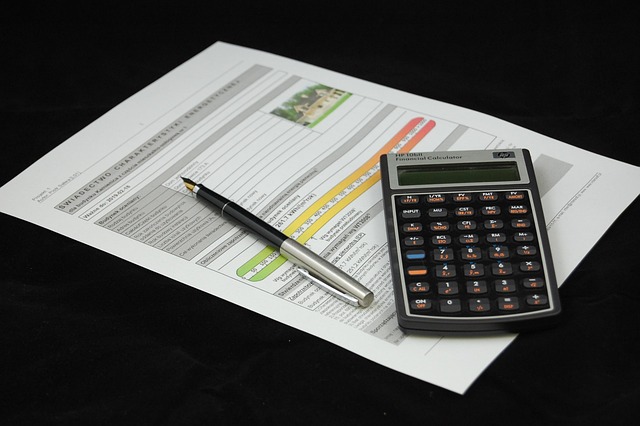
The real estate industry has traditionally relied on extensive documentation and manual verification processes, which can often lead to delays and inefficiencies. Streamlining these procedures is not just an optimization strategy; it’s a necessity for maintaining high standards, ensuring regulatory compliance, and facilitating faster transactions. One of the most significant challenges lies in verifying real estate documentation accurately and promptly. This process involves cross-referencing numerous records, assessing their validity, and reconciling any discrepancies—a task that demands precision and expertise.
Third-party verification services have emerged as a game-changer in this domain. By leveraging specialized software and databases, these services can automate and streamline the documentation verification process. For instance, advanced digital platforms can cross-check property ownership records against public databases, ensuring their authenticity and accuracy. Additionally, automated systems can detect potential red flags, such as fraud or falsified documents, by analyzing patterns and anomalies. A study by the National Association of Realtors (NAR) revealed that almost 70% of real estate professionals reported an increase in transaction speed and accuracy after adopting digital verification tools.
Implementing a robust third-party verification process offers numerous benefits. It reduces the risk of errors, minimizes delays caused by manual checks, and enhances overall transparency. For example, a property buyer can obtain immediate confirmation of ownership history, including any liens or encumbrances, thus making informed decisions. Moreover, automated systems can adapt to new regulatory requirements, ensuring compliance across varying jurisdictions. Real estate agencies and brokers should consider partnering with reputable third-party providers to optimize their due diligence processes, thereby fostering trust among clients and maintaining the integrity of the industry.